Innovation & Advocacy: How Vancouver Farmers Markets Became a Way of Life
Yes, we are back once again with the third post on our four-part blog series celebrating 30 years of Vancouver Farmers Markets. In our last post, we explored the first decade of the 2000s—a period of growth, experimentation, and the beginnings of real civic influence.
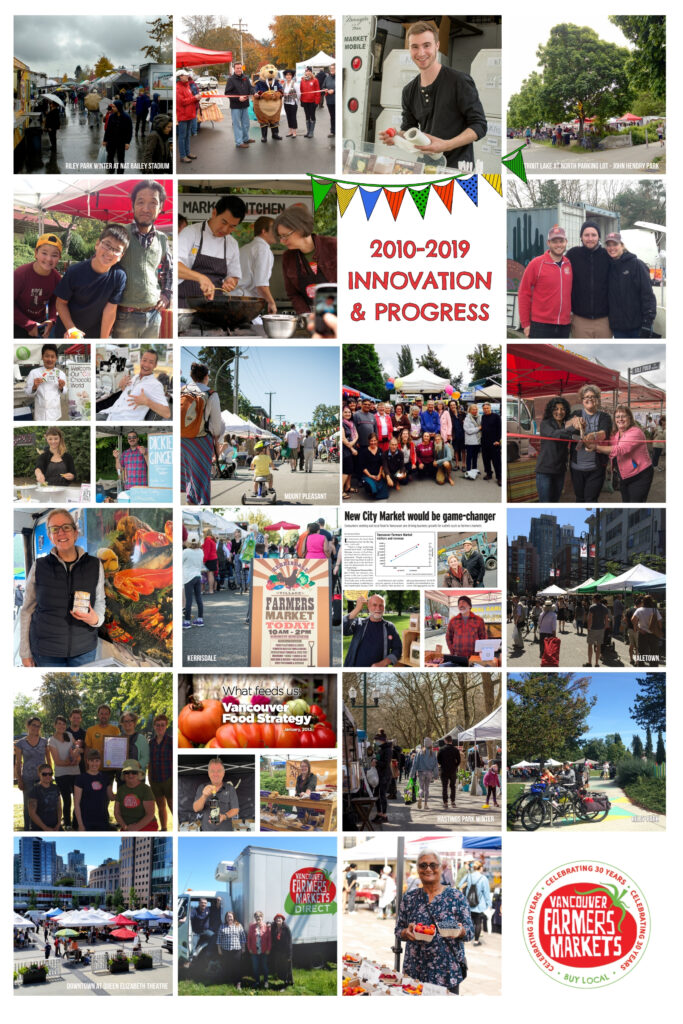
And with this one, we move into the 2010s: a period of transformation, when VFM made an intentional shift from being a community organization to a more visible voice and entity leading innovation, and advocating for a sustainable local food system.
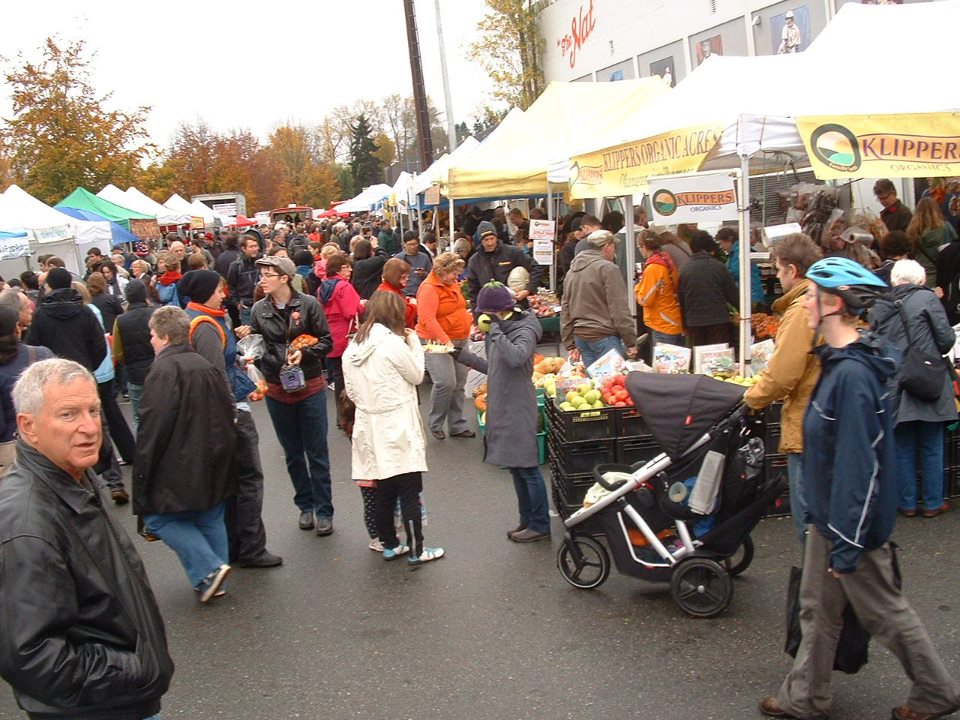
By 2010, Vancouver Farmers Markets had become a part of Vancouver’s community fabric. Families planned their weekends around market days. Farmers started looking at the markets as a dependable and regular source of income. And shoppers visited markets not just for groceries but for connections.
And while the markets were growing so was the organization. With markets expanding across the city and a growing year-round presence, the VFM was focussed on strengthening its structure and vision, taking a thought leadership approach to building a sustainable local food system.
Innovation on Every Aisle
The 2010s were a decade of creativity and experimentation! New programs and partnerships began to expand around the overall market ecosystem, taking it beyond the obvious buyers and sellers.
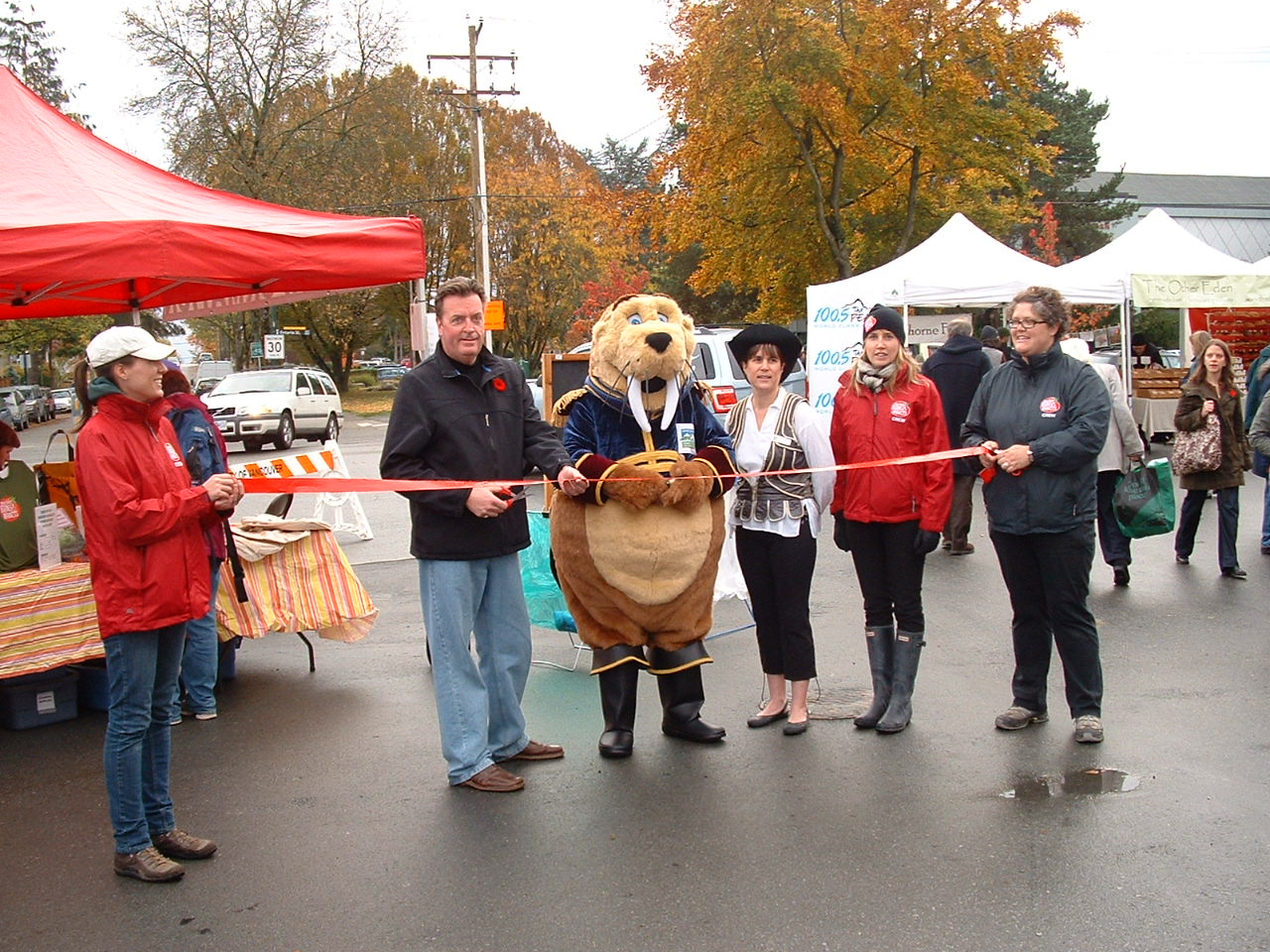
Riley Park Winter Market (2010–present) kicked off the decade with a bold idea that thrives to this day–create a vibrant outdoor marketplace that expands market access for producers and neighbours beyond the summer months, revolutionizing seasonal product availability and demand.
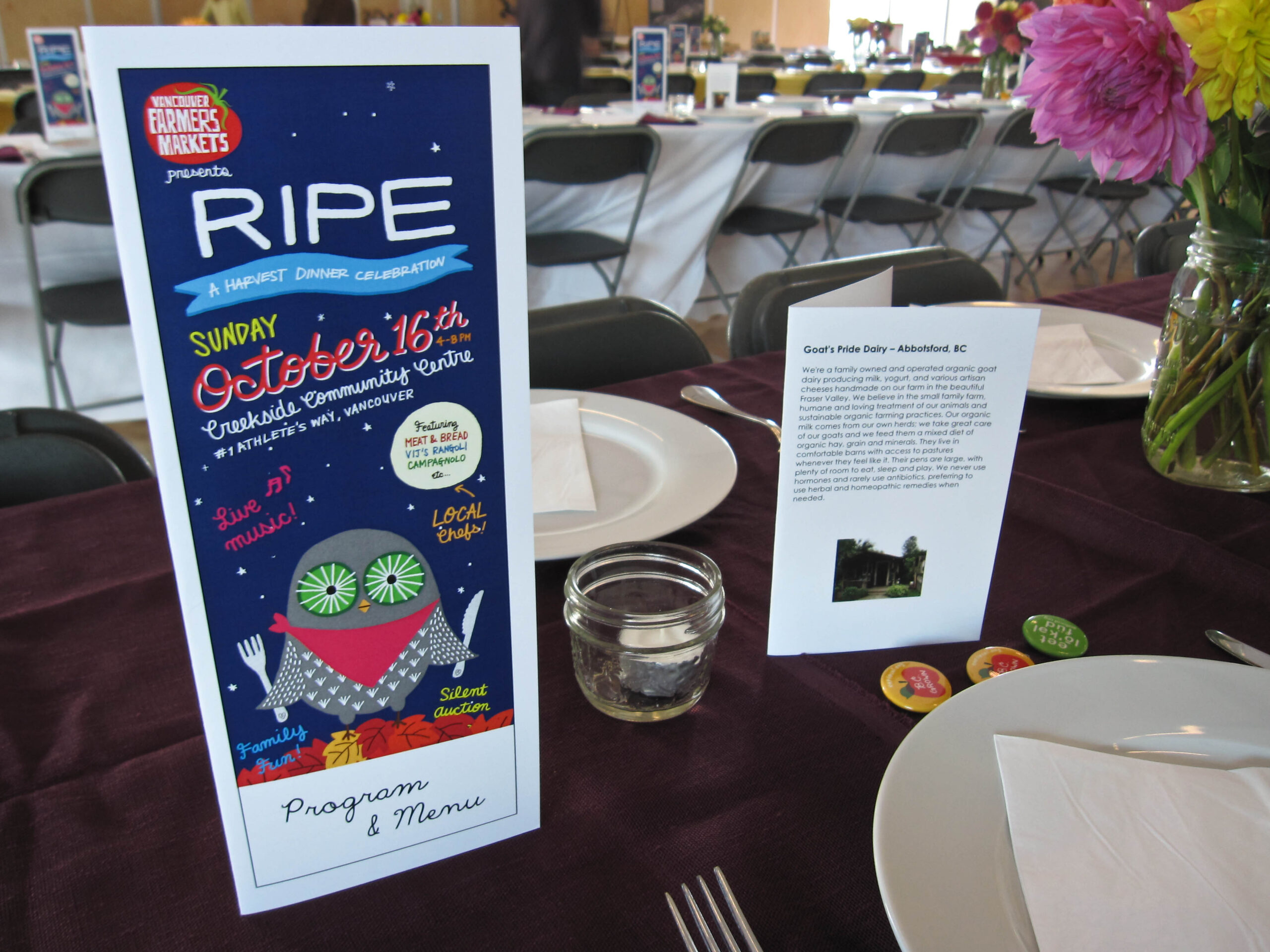
RIPE (2010–2016) became the annual celebration of harvest season—part dinner, part storytelling, part fundraiser. It captured the magic of farmers markets as spaces for food, culture, and community to synchronize and harmonize.
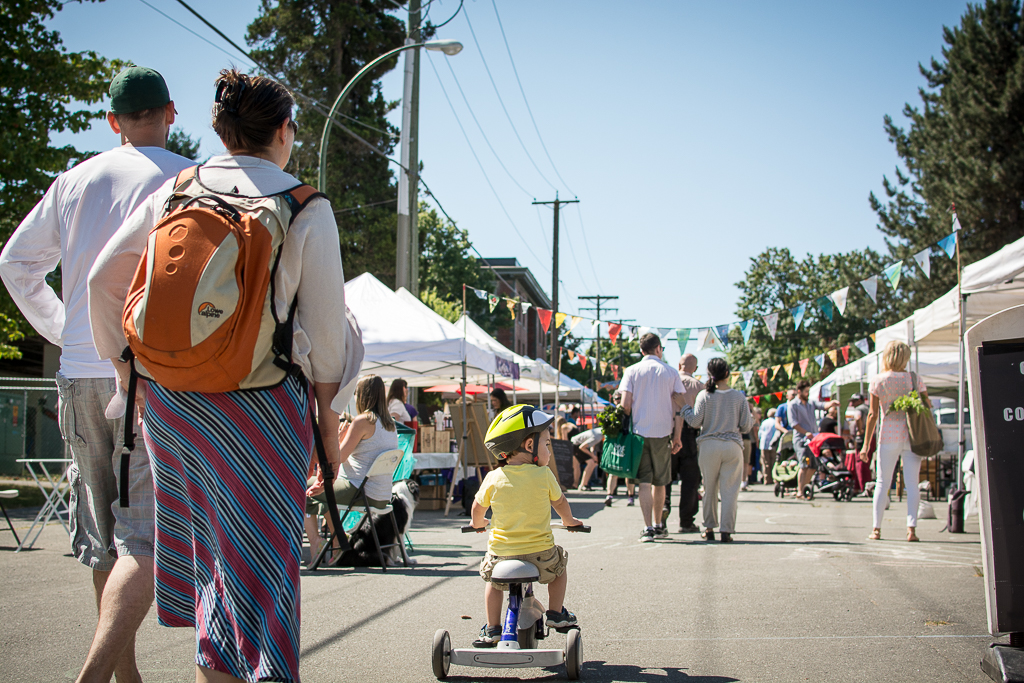
Fresh to Families (2015–present) launched to support low-income families, seniors, and expectant mothers, connecting them with fresh, nutritious food while circulating the funds back to local food vendors at the markets.
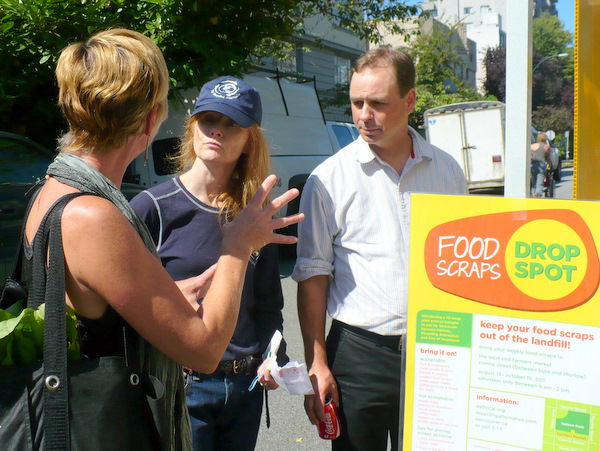
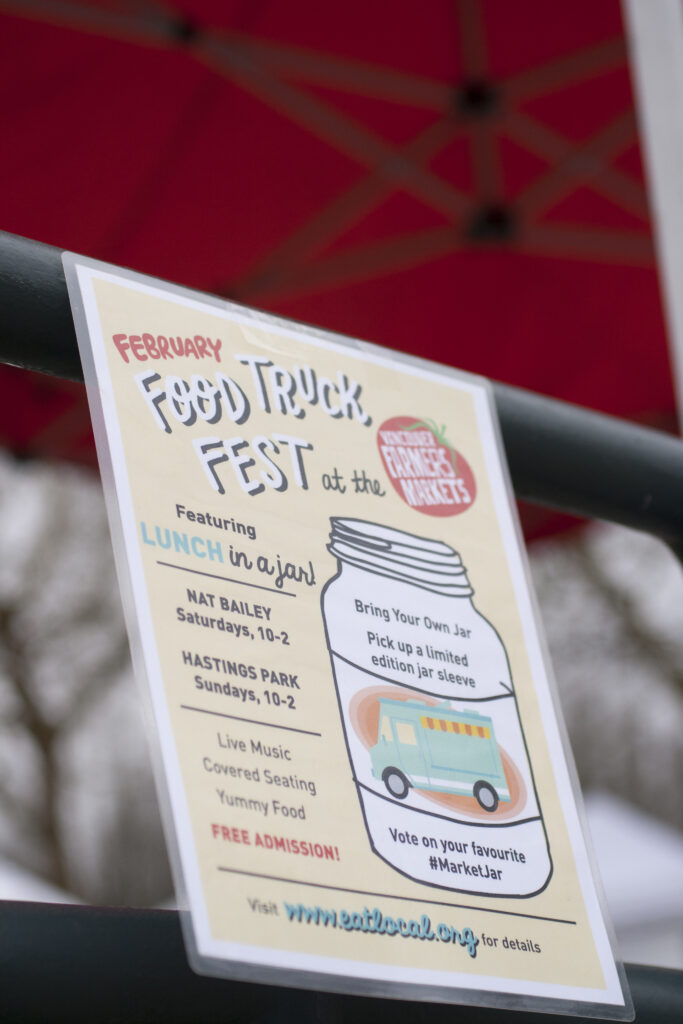
Food Scraps Drop Spots and Food Truck Festivals were introduced, helping the city divert waste and bring new forms of local enterprise into market spaces.
Every new idea pointed back to the same principle: markets could be both joyful and impactful—centres of sustainability, inclusion, and innovation.
Beyond the Markets – VFM was Working
Building on the groundwork of the 2000s, VFM began collaborating with city and regional planners to integrate markets into official frameworks and development projects.
Key milestones included:
-
- Metro Vancouver Regional Food System Strategy (2011)
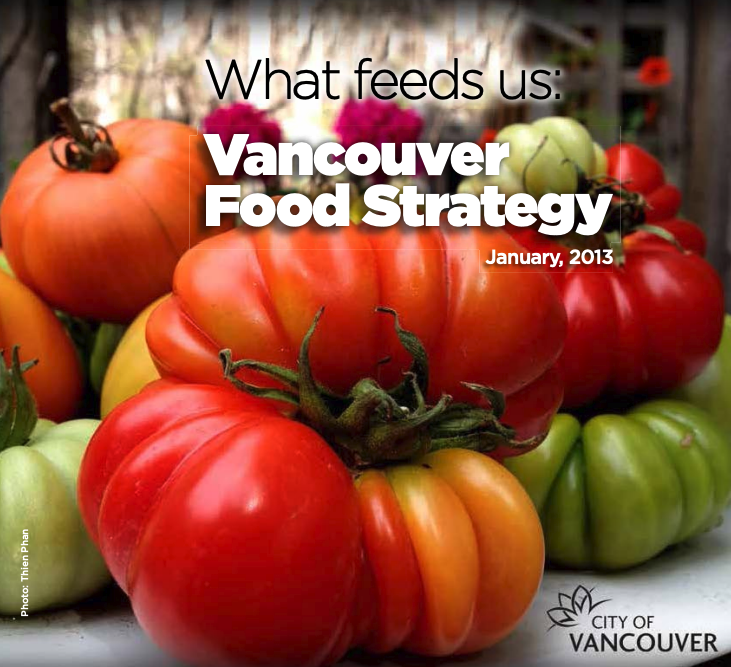
- Vancouver Food Strategy (2013)
- Farmers Market Guidelines in City Policy (2013)
- Metro Vancouver Regional Food System Action Plan (2016)
- Guidelines for Sustainable Large Development Sites (2018)
- Resilient Vancouver Strategy (2019)
These initiatives had an impact beyond just being the policy documents, these were stepping stones for farmers markets’ resilience to go beyond being seen as temporary “pop-ups” but essential services (laying the foundation for a natural response to what was coming up next in the shape of a pandemic, taking the entire world by surprise) supporting food access, entrepreneurship, and climate goals.
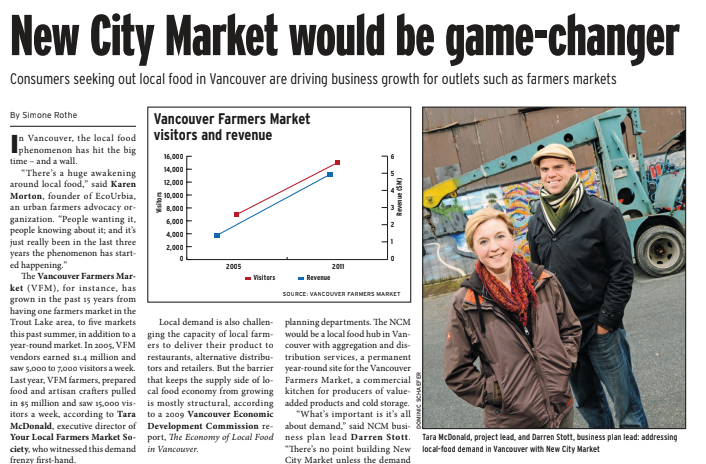
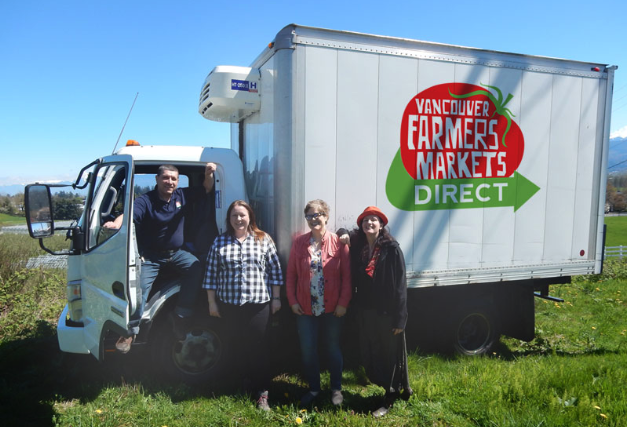
VFM’s work on the New City Market concept and later VFM Direct (2017–2019) helped test ideas around local food aggregation and distribution — laying the groundwork that inspired British Columbia’s provincial push for regional food hubs.
Capacity Building for the Organization
This work would not have been possible if VFM had not started the decade by investing in its people and systems. Creating formal staff roles, a benefits structure, and professional development were some of the main highlights that built our capacity from the inside out. In hindsight, these important steps were not just HR initiatives — they acknowledged that the growth of a community-driven organization depends on the well-being of its people.
The Decade That Set the Tone for The Future
Vancouver Farmers Markets had worked hard to build connections between growers, makers, bakers and food producers; and the policymakers, local food lovers, other communities and organizations working in the similar space, connecting them all with a common thread of creating a resilient local food network that values people and the land.
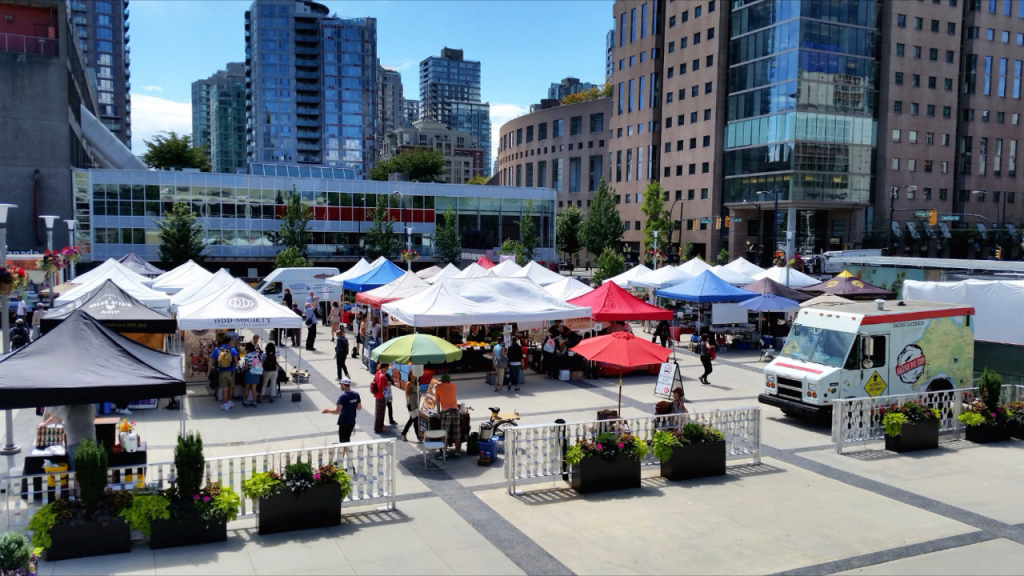
By the end of the 2010s, Vancouver Farmers Markets was a community-rooted organization working to bring local food and folks together with a practical-yet-visionary, grounded-yet-innovative approach. The 2010s weren’t just a period of change — They were the years when farmers markets became an embedded part of Vancouver’s food systems.
In our final post—coming this December—we’ll reflect on the early 2020s: five years that tested every part of our food system and revealed the extraordinary resilience of markets, vendors, and communities.