Making Space for Markets: What We’ve Started, What We’ve Learned, and What Comes Next
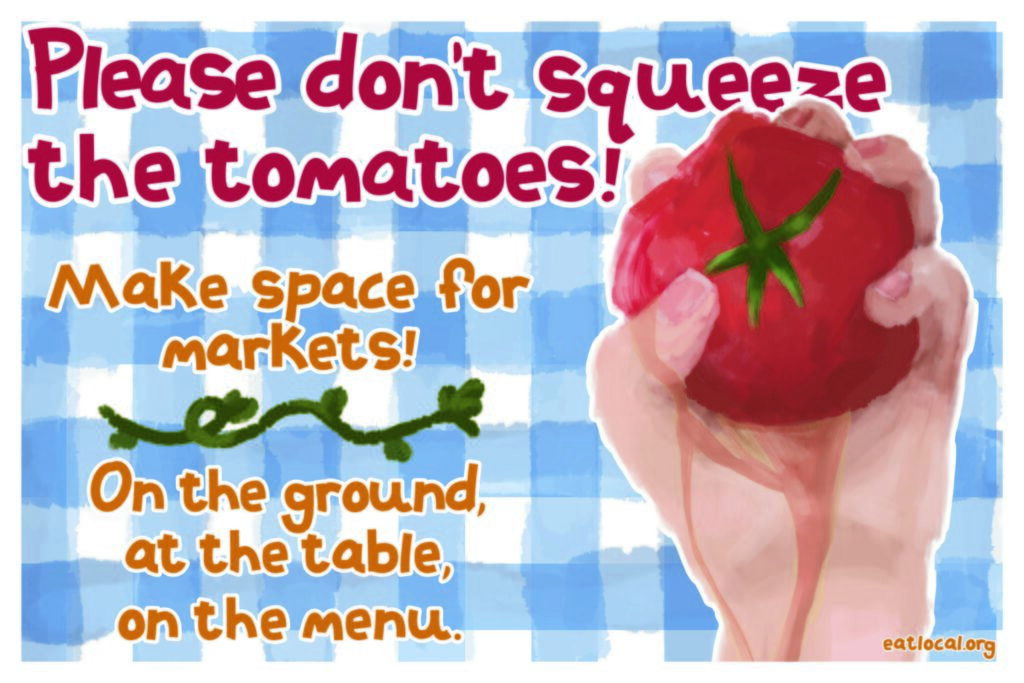
Over the past few months, Vancouver Farmers Markets (VFM) has been asking Vancouver to think differently about its farmers markets. To not be considered simply as weekly events, but as part of the city’s essential food, economic and community infrastructure.
Our Make Space for Markets campaign set out to bring greater attention to the role farmers markets play in connecting local farms and food businesses with shoppers, supporting neighbourhood economies and creating places for people to come together. It also set out to make visible some of the practical challenges that affect whether markets can continue to operate and grow.
As we move into the winter season, we’re taking stock of what the campaign has brought into the conversation and where do we go from here.
Making Space for Markets: On the Ground, At the Table, On the Menu
Over the past few months, we took the Make Space for Markets campaign beyond our own channels and brought the story to a wider audience. Between July and October 2026, the campaign generated:
- 7 media interviews, across television, radio and podcasts.
- 45 media mentions, including syndicated coverage.
- More than 11 million in reported potential media reach.
- 18 articles and broadcasts that included a reference to infrastructure.
Coverage appeared across outlets including CBC, CityNews, CTV, CKNW, Vancouver Sun, Business in Vancouver, Scout Magazine, Daily Hive and others.
The stories helped bring attention to the scale of Vancouver’s farmers market community and its economic contribution. VFM’s $18 million in direct vendor sales and estimated $27 million in local economic impact were part of that conversation, alongside the pressures facing BC farms and the practical realities of operating markets in public spaces.
The coverage also helped broaden the discussion. Farmers markets began appearing in conversations about local business resilience, food security, neighbourhoods and municipal planning — not just weekend activities or seasonal amenities.
Making the infrastructure challenges visible
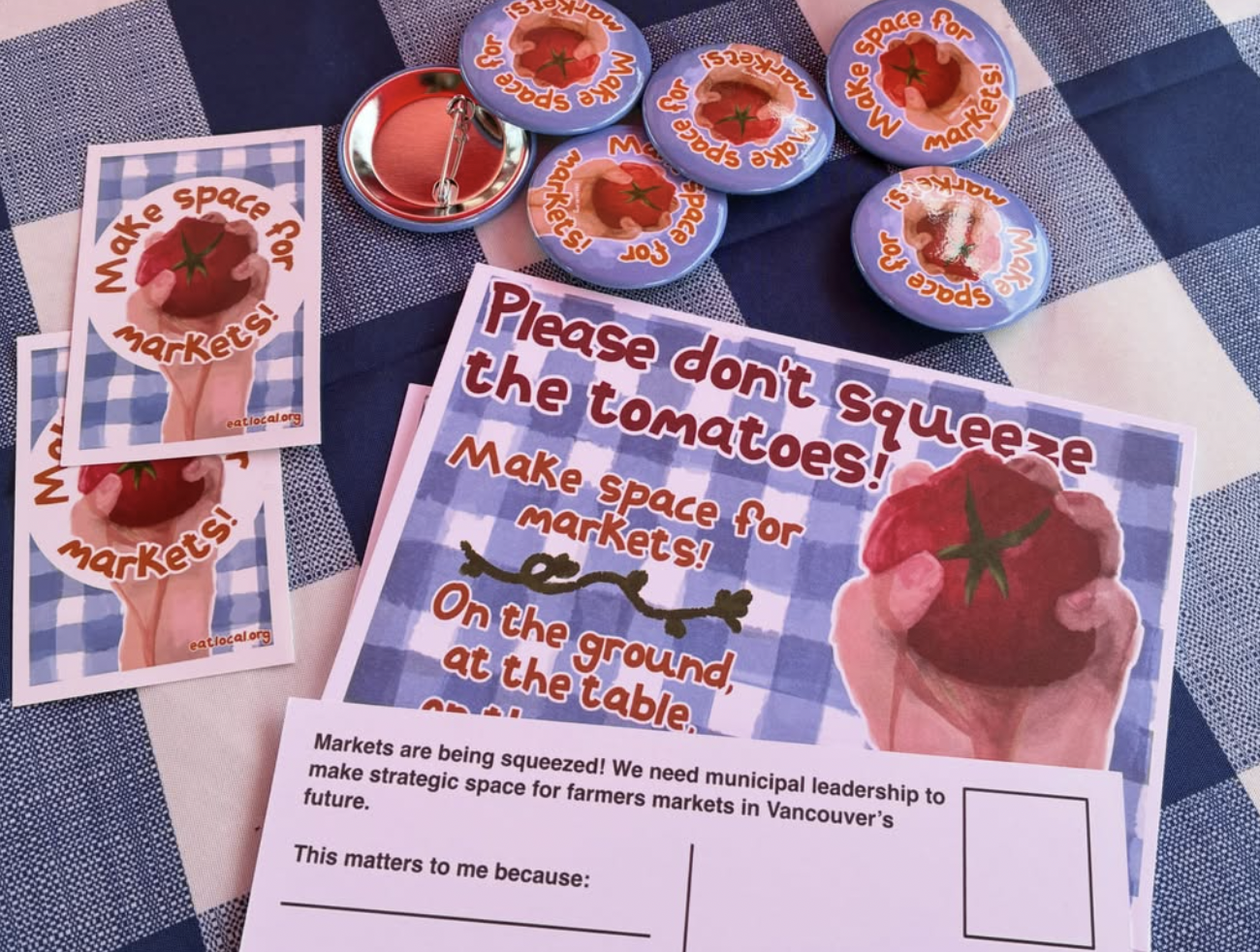
One of the most important parts of the campaign was explaining what it actually takes to operate a farmers market.
A market needs more than a public space and a collection of vendors. It needs enough room for farmers, food producers, trucks, tents and shoppers. It needs safe and practical access for loading and unloading. It needs reliable access to basic amenities such as washrooms, water and electricity. It also needs clear arrangements and enough certainty for vendors and market organizers to plan ahead.
These are not extras. They are practical requirements for operating a public market.
The campaign also helped clarify an important part of the conversation: market organizers are not opposed to basic public amenities or improvements to shared spaces. We want markets to function well alongside the other uses of those spaces. The challenge is making sure market operations are considered early in planning, and that responsibilities, access and infrastructure needs are worked through collaboratively.
When these needs are not considered, the effects are felt by everyone, from vendors and market staff to shoppers and the surrounding neighbourhood.
What we’ve learned
The campaign gave us a valuable opportunity to hear how different people understand and experience farmers markets.
A few things that stood out.
People need to see what happens behind the market stall. The public often sees the finished market: fresh produce, busy aisles and familiar faces. There is a lot of work before and after those moments, from harvesting, packing, transport, site preparation, vendor setup, coordination and pack-down. Making that work visible helps explain why practical infrastructure matters.
The economic story is an important part of the picture, but it isn’t the whole story. The value of markets can be measured through vendor sales and local economic activity. It can also be seen in the relationships between farmers and shoppers, the opportunities they provide to small businesses, and the connections they create within neighbourhoods.
Infrastructure is a shared planning conversation. Markets operate in public spaces that serve many purposes. Long-term solutions require market organizers, vendors, municipal staff and decision-makers to understand one another’s needs and plan together. Reliable facilities, safe access and predictable arrangements benefit market operations while helping public spaces work better for everyone.
Awareness is a starting point, not the finish line. Media attention has helped bring the issues into the public conversation. The next step is to keep that conversation going and work towards practical, lasting improvements.
From media headlines to community stories
As the campaign moves into winter, we’re shifting more of our focus to online storytelling.
Over the coming months, we’ll share stories from the people who make our markets possible:
- Farm vendors: What goes into bringing local food to market, and what makes participation practical and sustainable?
- Market staff: What happens behind the scenes to get a market ready, keep it running and pack it down?
- Shoppers: What do people value about having a farmers market in their community?
- Small and emerging food businesses: What role can markets play in helping local businesses establish themselves and supporting the next generation of farmers and food producers?
These stories will help bring the campaign’s bigger ideas down to earth. They will show what making space for markets means in the everyday experiences of the people who rely on them, work at them and bring them to life.
The road ahead
There is still work to do.
We want farmers markets to be considered early in conversations about the future of Vancouver’s parks, plazas, streets and public spaces. We want market operators to have a seat at the table when plans are being developed. And we want our practical needs of space, access, washrooms, water, electricity and longer-term operational certainty to be part of those conversations from the beginning.
The campaign has helped make the case for why this matters. Now we need to keep building relationships, sharing evidence and bringing forward the experiences of the people who make markets work.
Because making space for markets is about more than finding room for a market once a week. It’s about creating the conditions for local farms and food businesses to keep reaching their communities, all year long.
Let’s keep making space for markets, all year long.